Chart types
Data visualization presents information in a visual form that’s easy to understand. When applied to dense and complex datasets, it aids in highlighting trends and patterns.
Choosing the best chart for your use case depends on:
-
Purpose of the chart: Select a chart that best communicates your intended message.
-
Type of data: Match the chart type to your data's structure (e.g. categorical, numerical, time-based).
-
Screen size or viewport: Choose charts that remain legible across different screen sizes.
-
User expectations and familiarity: Use familiar chart types that align with your audience’s expectations for the data being presented.
-
Visual literacy for all users: Opt for simple visualizations and clear labels to support users with varying levels of data literacy.
Once you’ve identified what the data visualization should achieve, select the chart type that best aligns with your needs.
There are many different types of charts, each designed to highlight specific patterns in your data. Choosing the appropriate chart type is essential for creating clear and effective data visualizations.
Charts available include:
- Line chart
- Pie chart
- Donut chart
- Column chart
- Bar chart
- Stacked bar chart
- Bullet chart
- Box plot chart
- Area chart
- Scatter chart
- Bubble chart
- Waterfall chart
- Candlestick chart
- Heatmap chart
Broadly, chart types fall into four main groups:
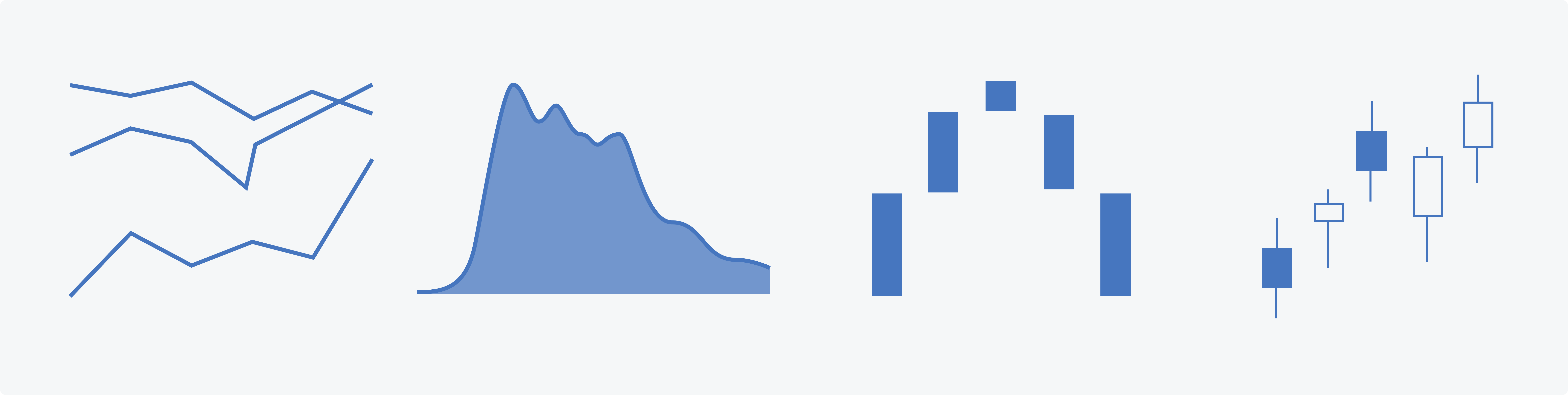
To demonstrate trends that develop over a period of time. Examples of change over time charts include: line, area, waterfall and candlestick chart.
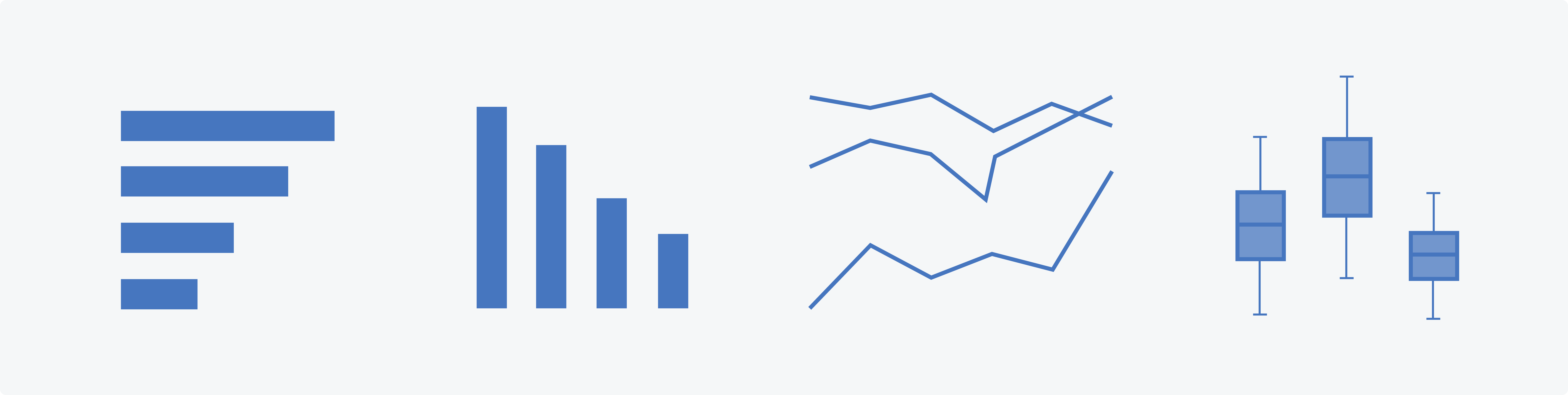
To compare the size or value of different items. Examples of comparison charts include: bar, column, line and box plot chart.
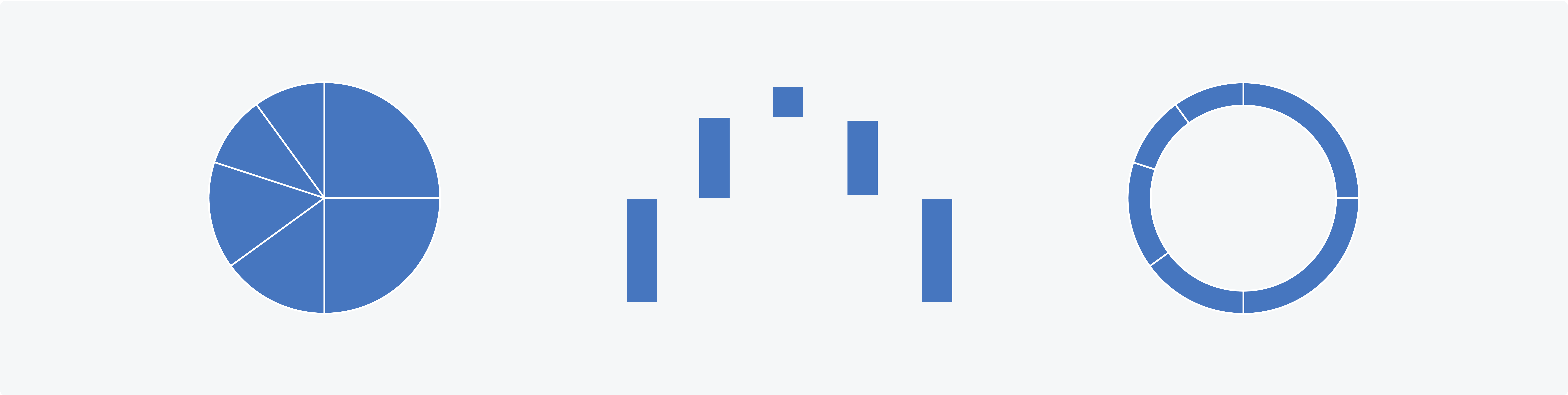
To show how individual items contribute to a whole. Examples of part-to-whole charts include: pie, waterfall and donut chart.
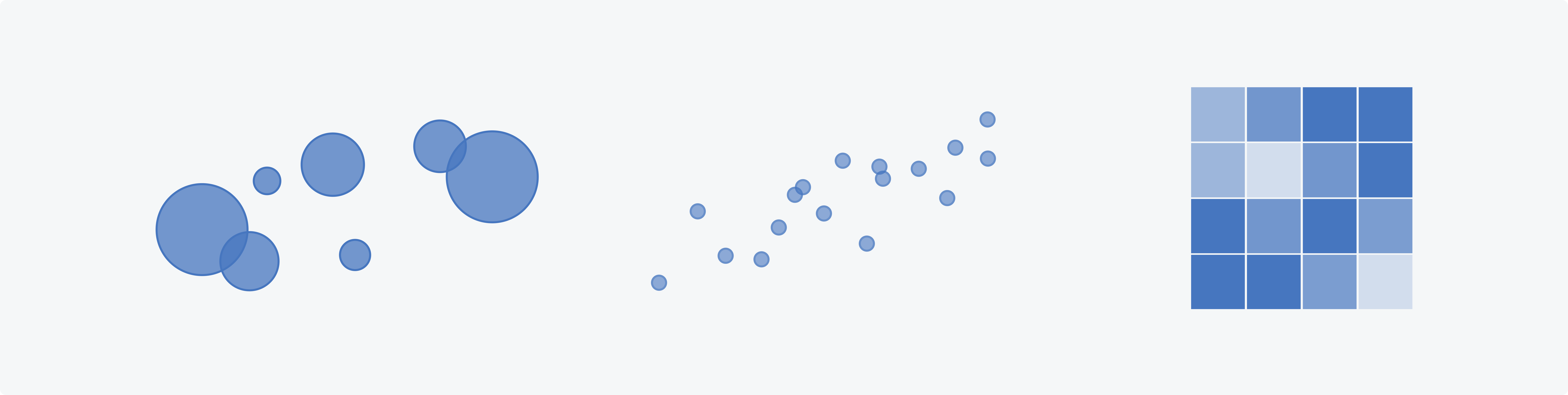
To display relationships between variables in a dataset. Examples of correlation charts include: bubble, and scatter chart.
We appreciate your thoughts and feedback on any content in the Salt foundations. Please contact us if you have any comments or questions.